Mardi Gras Mask SVG: A Designer’s Embroidery Review
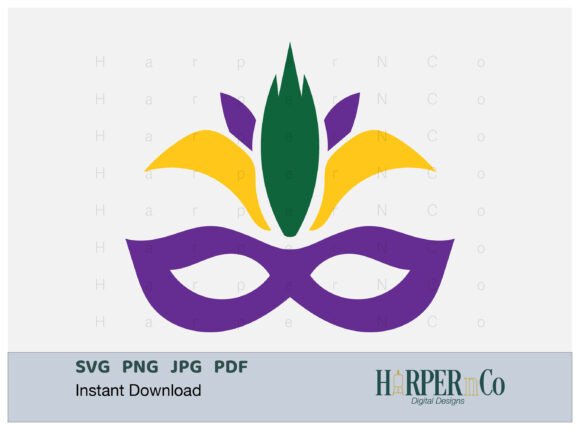
As a designer who spends more time staring at stitch simulations than actual fabric, I have learned to be skeptical of digital assets that promise versatility without delivering structural integrity. When I first pulled up the Mardi Gras Mask SVG, PNG, Cut File 15, my initial reaction was not just about the aesthetic appeal of the carnival theme, but about its potential translation from a vector graphic into a tangible, stitched reality. In the world of Crafts and digital Graphics, it is easy to find festive clipart. It is much harder to find a design that holds up under the needle of a commercial embroidery machine while maintaining its charm on a finished product.
First Impressions: Mood and Structural Viability
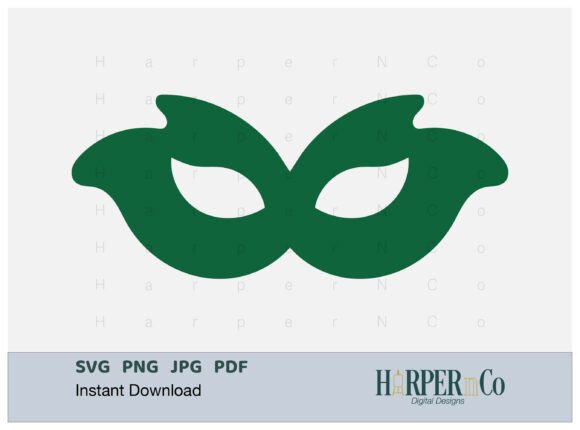
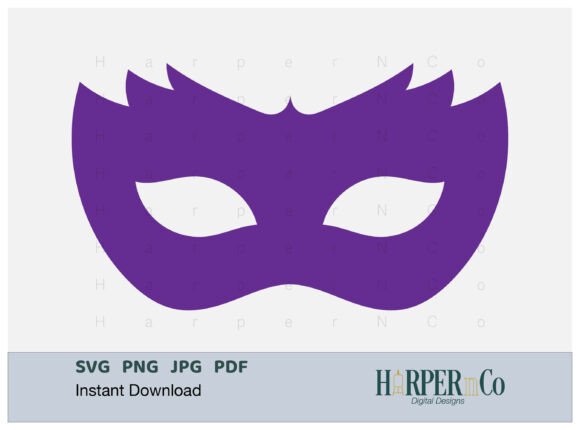
The immediate mood this design evokes is one of playful celebration. The mask motif is inherently theatrical, suggesting mystery and festivity, which makes it a strong candidate for seasonal projects. However, from a technical standpoint, I looked closely at the lines. For an embroidery project, clean lines are non-negotiable. If the SVG paths are jagged or overly complex, the digitizer—or you, if you are converting it yourself—will struggle to create smooth satin stitches or efficient fill stitches.
The layout of the Mardi Gras Mask SVG, PNG, Cut File 15 appears balanced. This is crucial because asymmetry in digital files often leads to hoop imbalance during stitching. A well-centered design reduces the risk of puckering, especially when working with lighter fabrics. The visual personality is bold enough to stand out on a tote bag but refined enough to work on a smaller item like a baby onesie, provided the scale is adjusted correctly.
Real-World Application: From Screen to Stitch
To truly evaluate this asset, I imagined a specific real-life scenario: preparing a custom order for a boutique client who wanted themed merchandise for a spring festival. The request was for a set of embroidered tote bags and matching sweatshirts. This is where the versatility of the file types mentioned in the description—SVG, PNG, EPS, DXF, and JPG—becomes relevant, though our focus here is strictly on the embroidery outcome.
For the tote bag design, the mask needed to be large enough to showcase detail but not so dense that it stiffened the canvas fabric. Using this as a base for an applique design could be a smart move. By using the SVG cut file to cut fabric shapes and then stitching around the edges with a satin stitch, you reduce the stitch count significantly. This prevents the "cardboard effect" where heavy stitching makes flexible fabric rigid. Alternatively, if using it as a standard machine embroidery design, ensuring proper stitch density is key. Too many fill stitches on a cotton tote can cause pulling; too few, and the fabric shows through, ruining the professional look.
For the sweatshirt embroidery, the texture of the fleece or French terry changes the game. Here, the design needs to sit on top of the pile. A running stitch outline might get lost, so a thicker satin border would help define the mask’s shape against the textured background. The festive nature of the Mardi Gras theme pairs well with the cozy, casual vibe of custom apparel, making it a strong seller for Etsy sellers looking to capitalize on seasonal trends.
Navigating Fabric and Hoop Constraints
While the design is versatile, it is not without its limitations. Experienced makers know that not every embroidery file works everywhere. I would advise caution when using this on stretchy fabrics like jersey knits for baby embroidery projects. Without a high-quality cut-away stabilizer, the tension from the stitches can distort the mask’s shape, turning a symmetrical design into a warped mess. Always test on scrap fabric first. This is not just a suggestion; it is a requirement for maintaining brand consistency and customer trust.
Another critical consideration is hoop size. If you are attempting to place this on a curved surface, such as a cap, the rigid structure of a mask design might not conform well to the brim’s curve. Caps require designs that are either very small or specifically digitized for curvature. Placing a large, flat mask design on a hat could result in gaps between the stitch and the fabric. For flat items like pillow covers or kitchen towels, however, the design should perform beautifully, assuming the thread colors are chosen with contrast in mind.
Dark fabrics present another challenge. If you are stitching this on navy or black fabric, you cannot rely on the design’s internal details alone. You may need to add an underlay or choose lighter thread colors to ensure visibility. Testing the design in a black-and-white mockup before stitching can save you from wasting expensive thread and time. This step helps verify that the contrast is sufficient for the eye to distinguish the mask’s features from the background.
Commercial Value and Brand Perception
For small shop product creators and craft business owners, the perceived value of the finished product is paramount. A crisp, clean embroidery job signals professionalism. If the Mardi Gras Mask SVG, PNG, Cut File 15 is used correctly, it elevates a simple garment into a personalized gift or a boutique-quality item. Customers engage more with products that look intentional and well-crafted. A sloppy stitch-out, caused by ignoring density or stabilizer requirements, can damage your reputation as an Etsy seller or local vendor.
Furthermore, the ability to use this design across various mediums—from embroidered patch creations to holiday embroidery on home decor—adds to its utility. It allows for a cohesive collection of items, which is excellent for branding. Imagine a spring collection featuring this mask on aprons, tea towels, and tote bags. The consistency of the design element ties the products together, creating a stronger visual identity for your small business merchandise.
Practical Notes for the Embroidery Designer
Before you commit to a large production run, consider these practical steps:
- Check Licensing: The product description mentions it can be used for themed projects, but always confirm whether the license covers commercial sales of physical items. Do not assume; verify.
- Digitizing Check: If you are converting the SVG to an embroidery format yourself, pay attention to corner sharpness. Masks often have intricate edges that need tie-ins to prevent unraveling.
- Thread Selection: Mardi Gras traditionally uses purple, green, and gold. Ensure your thread chart matches these hues accurately. Metallic threads can add flair but require slower machine speeds and special needles.
- Stabilizer Choice: Use tear-away for stable woven fabrics like cotton tote bags. Use cut-away for stretchy knits like sweatshirts or baby clothes. This ensures the design remains stable after washing.
- Mockup Testing: Use the included PNG or JPG to create printable mockup previews for your online store. This helps customers visualize the custom apparel before buying, reducing return rates.
In conclusion, the Mardi Gras Mask SVG, PNG, Cut File 15 is a promising asset for designers who understand the nuances of embroidery. It is not just a graphic; it is a blueprint for a tactile experience. By respecting the limitations of fabric, hoop size, and stitch density, you can transform this digital file into a high-value handmade product. Whether you are creating a single personalized gift or a line of commercial embroidery items, the key lies in the preparation. Test, adjust, and stitch with intention, and this design will serve your creative business well.