Saved by Grace SVG: A Designer’s Real-World Review
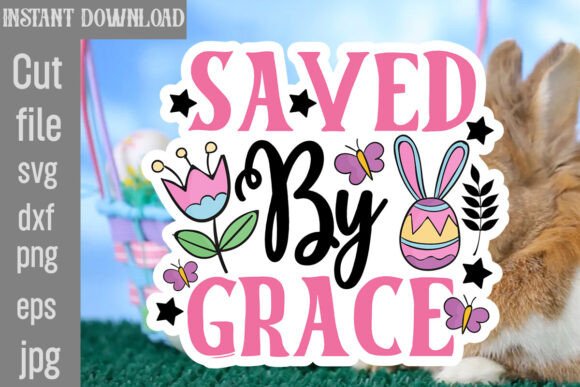
As a designer who spends more time staring at stitch simulations than I care to admit, I have learned that not every digital file translates well to fabric. We live in an era where Crafts and digital design intersect constantly, but the gap between a crisp vector on a screen and a textured finished product is where many projects fail. Recently, I evaluated the Saved by Grace SVG Cut File to determine if it holds up under the needle. This isn’t just about whether the lines are clean; it is about whether this design can carry the weight of a client order or elevate a small shop’s inventory.
First Impressions: Mood and Visual Personality
When I first opened the zip folder, my immediate focus was on the layout and flow. The phrase "Saved by Grace" carries a specific emotional weight, often associated with faith, redemption, and comfort. Visually, the design needs to reflect that serenity. In my review of the included files—specifically the SVG for Cricut and the EPS vector—I looked for balanced kerning and organic curves. A clunky font choice can ruin the sentiment, but this design appears to prioritize readability while maintaining a soft, inviting aesthetic.
The mood here is gentle yet confident. It does not scream for attention with overly complex flourishes that might turn into a nightmare of thread breaks. Instead, it offers a clean silhouette that suggests versatility. For embroidery designers, this is crucial. We need assets that feel intentional, not just slapped together from generic clip art libraries. This piece feels like it belongs in a curated collection of design assets meant for meaningful, personal items.
The Real-World Test: From Screen to Sweatshirt
To truly judge an embroidery project, you have to imagine it stitched out. I visualized this design on a heather grey crewneck sweatshirt, a staple in any custom apparel line. The central question was: how would the lettering handle the texture of French terry cloth? Since the download includes a high-resolution PNG with a transparent background at 300 DPI, I could easily mock up the design on various fabric textures before committing to thread.
In this scenario, the design shines as a chest-left logo or a larger back print. The simplicity of the lines means it would likely perform well with a combination of satin stitch borders and fill stitch interiors, depending on the size. For a small shop product, consistency is key. If I were producing ten of these for a boutique order, I would need to know that the design scales without losing integrity. The vector nature of the EPS and SVG files ensures that whether I am making a tiny patch or a large tote bag, the edges remain crisp.
Versatility Across Product Lines
One of the strongest aspects of this digital embroidery file is its adaptability across different categories within Crafts. Let us look at a few practical applications:
- Tote Bag Design: Canvas bags are popular for Etsy sellers. The bold, clear lines of this design would stand out beautifully against natural cotton canvas, especially if stitched in a contrasting thread color like navy or deep burgundy.
- Baby Embroidery: For a nursery item, such as a muslin swaddle or a onesie, the sentiment is perfect. However, scale is everything. On small items, the text must remain legible. I would recommend testing the minimum size on scrap fabric to ensure the letters do not merge.
- Holiday Embroidery: While not explicitly seasonal, the theme fits well with Easter or Christmas gifts. It serves as a thoughtful personalized gift that resonates emotionally with the recipient.
- Embroidered Patch: Creating a merit-style patch for a cap or jacket is a trending niche. The self-contained nature of the phrase makes it ideal for a circular or rectangular patch border.
Technical Considerations and Stitching Challenges
While the design is visually appealing, we must address the technical realities of machine embroidery. The provided files are primarily cut files (SVG, DXF) and vectors (EPS), along with a PNG. It is vital to note that these are not native machine embroidery formats like PES or DST. As a professional, I must convert these vectors into stitch files using software like Wilcom or Hatch. This step gives me control over stitch density and underlay, which is critical for quality.
When converting, I pay close attention to the following:
- Stitch Density: Too dense, and the fabric will pucker, especially on thinner materials like tea towels or baby clothes. Too sparse, and the backing shows through. I recommend starting with a medium density and adjusting based on the fabric texture.
- Small Details: If the design includes any fine serifs or delicate connections, they may need to be thickened slightly during digitizing to prevent thread breaks.
- Hooping and Stabilizer: For stretchy fabrics like t-shirts, a cut-away stabilizer is non-negotiable to maintain shape. For woven fabrics like aprons or pillow covers, a tear-away might suffice, but I always prefer being over-prepared with stabilization to ensure a professional finish.
Commercial Viability for Etsy Sellers and Makers
For the craft business owner, time is money. A design that requires excessive troubleshooting is a liability. The Saved by Grace SVG Cut File offers a streamlined workflow because the source vectors are clean. This means less time cleaning up nodes in Illustrator or CorelDRAW before digitizing.
Furthermore, the visual appeal of this design contributes directly to brand consistency. If your shop focuses on faith-based or inspirational goods, this piece fits seamlessly. It enhances customer trust because it looks polished, not amateurish. When buyers see a clean, well-stitched design on a handmade product, they perceive higher value. This perception allows for better pricing power and higher buyer engagement on platforms like Etsy.
Practical Designer Notes for Best Results
Before you list this as a commercial embroidery item or gift it to a friend, take these steps to ensure success:
- Test on Scrap Fabric: Never stitch directly on your final garment. Use a similar weight and weave scrap to test tension and density.
- Check Thread Color Contrast: Use the included PNG to create black and white mockups. If the design disappears in grayscale, it may lack contrast on certain fabrics. Choose thread colors that pop against your base material.
- Verify Licensing: Always confirm the license terms for commercial use. While this is a digital download for crafting, selling finished physical items usually requires a commercial license. Ensure you are compliant before selling.
- Inspect Small Details: Zoom in on the vector file. Look for overlapping paths or open nodes that could cause issues during digitizing.
Final Verdict
The Saved by Grace SVG Cut File is a solid addition to any designer’s library. It bridges the gap between digital precision and tactile warmth. While it requires the extra step of digitizing for machine embroidery, the clean vectors make that process straightforward. For small business owners and hobbyists alike, it offers a reliable, emotionally resonant design that performs well across various applications, from sweatshirt embroidery to home decor. With proper attention to stabilizer and stitch density, this design can elevate your finished product from simple craft to professional merchandise.