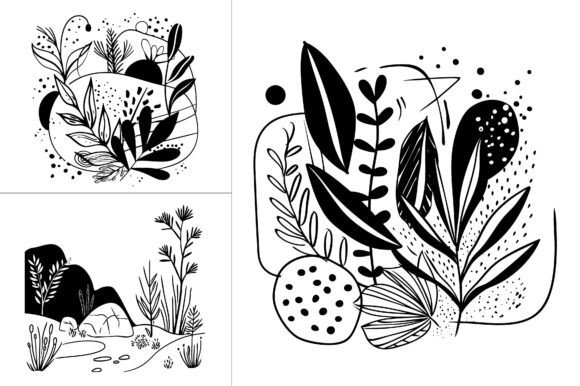
SVG Vector: A Designer’s Practical Review
As someone who has spent years digitizing designs and reviewing countless machine embroidery design files for client work, I approach every new asset with a mix of curiosity and caution. We all know that what looks crisp on a computer screen does not always translate seamlessly to fabric. Today, I am taking a close look at SVG Vector, evaluating it not just as a digital graphic, but as a potential cornerstone for real-world embroidery project applications. This review is written for fellow designers, Etsy seller entrepreneurs, and hobbyists who need to know if this file holds up under the needle.
First Impressions and Visual Personality
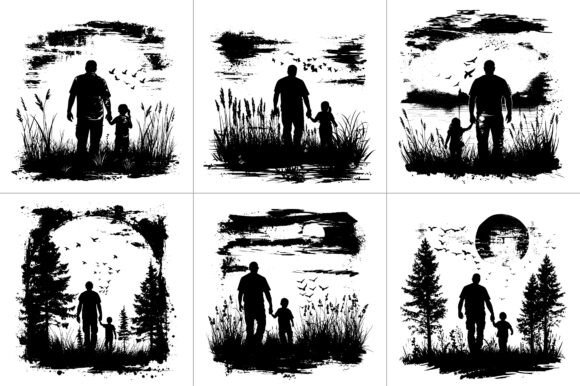
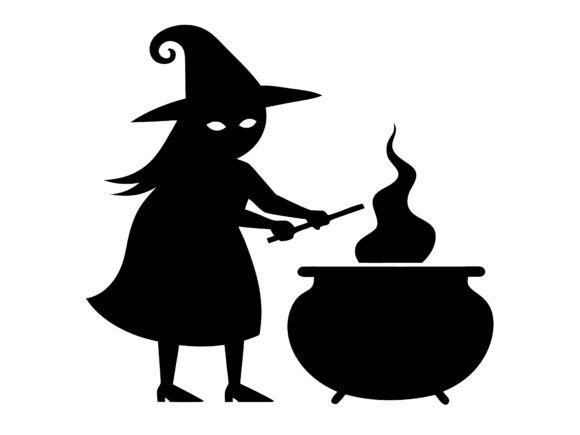
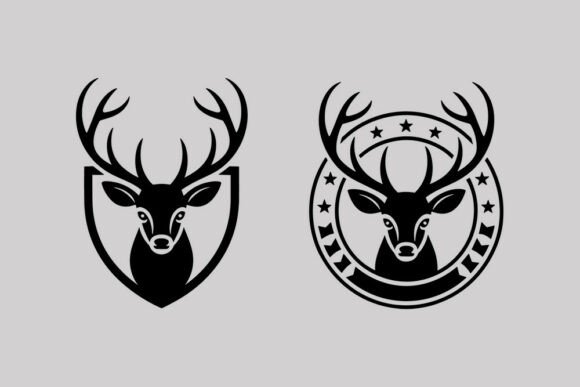
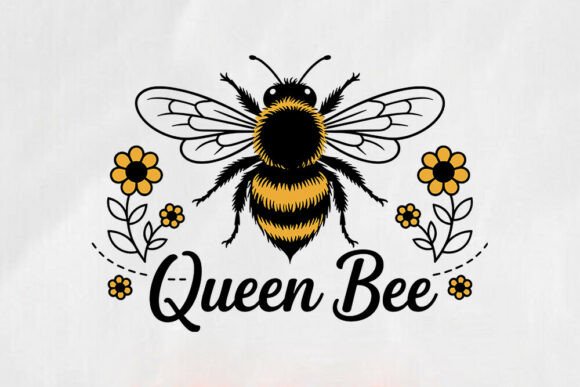
When I first opened the SVG Vector file, the immediate impression was one of clean, deliberate lines. In the world of Crafts and digital Graphics, simplicity is often harder to achieve than complexity. The design avoids unnecessary clutter, which is a significant advantage when considering how thread behaves on fabric. The mood it creates is versatile; it feels modern yet timeless, making it suitable for a wide range of aesthetics from minimalist boutique branding to cozy, handmade home decor.
The layout appears balanced, with a visual weight that suggests it would sit comfortably on various garments without looking too heavy or too sparse. For an embroidered patch or a central chest logo on a sweatshirt embroidery project, this balance is crucial. If the design were too dense, it would pucker lightweight fabrics; if too sparse, it might lack impact on textured materials. Based on the vector paths provided, the design seems to prioritize clarity, which is essential for maintaining professional quality in a finished product.
Real-World Application: The Tote Bag Test
To truly understand the value of SVG Vector, I mentally walked through a common scenario: creating a custom tote bag design for a local farmer’s market vendor. This is a typical request for many small business owners. The client wants something durable, visually appealing, and quick to produce. Using the included EPS Vector File and SVG Vector File, I can easily scale the graphic to fit a standard 5x7 or 6x10 hoop without losing resolution. This scalability is a massive time-saver compared to working with pixel-based images that require manual redrawing.
In this context, the design performs well because its shapes are distinct. When stitched out as a fill stitch area, the open spaces allow the natural texture of the canvas tote to breathe, preventing the fabric from becoming stiff or board-like. For a personalized gift or a small shop product, this tactile quality matters. Customers appreciate items that feel handmade and soft, not industrial and rigid. The SVG Vector lends itself beautifully to this application, offering a polished look that enhances the perceived value of the bag.
Technical Considerations for Stitching
While the visual appeal is strong, we must discuss the technical side of converting these vectors into an embroidery file. Since the package includes PNG, EPS, SVG, and JPG formats, it is important to note that these are graphic files, not native machine embroidery formats like PES or DST. As an experienced designer, I always advise users to import these vectors into their preferred digitizing software to generate the actual stitch data. This step allows you to control critical elements like stitch density, underlay, and stitch type.
For instance, when working on baby embroidery items, such as onesies or burp cloths, you will want to reduce the density significantly. Babies have sensitive skin, and high-density stitching can be irritating. The clean lines of SVG Vector make it easy to convert into a combination of satin stitch borders and light fill areas, ensuring comfort. Conversely, for a rugged custom apparel piece like a denim jacket, you might increase the density for a more substantial, textured look. The flexibility of the vector format empowers you to make these adjustments based on the specific fabric texture and end-use.
Navigating Fabric and Hoop Constraints
There are scenarios where caution is required. If you plan to use this design on stretchy fabrics like jersey knits for t-shirts, proper stabilization is non-negotiable. The design’s integrity relies on precise alignment, so using a cut-away stabilizer is recommended to prevent distortion after washing. Additionally, if you are working with a small hoop size, ensure that the smallest details of the SVG Vector are scaled appropriately. Tiny elements can get lost or become difficult to stitch if they are smaller than the needle’s width.
Dark fabrics present another challenge. The design’s visibility depends heavily on thread colors. I recommend testing the design in black and white mockups first to check contrast. If the design relies on subtle shading, it may not translate well to embroidery, which is inherently binary in terms of stitch placement. However, given the bold nature of this vector, it should hold up well against contrasting backgrounds, provided you choose high-quality threads with good sheen and strength.
Commercial Value and Brand Consistency
For commercial embroidery professionals and craft business owners, consistency is key to building trust. Using a high-quality base graphic like SVG Vector ensures that your marketing materials, such as printable mockup images and social media posts, look professional. The included transparent PNGs are particularly useful for creating quick previews for your online store without needing to stitch out every color variation physically. This efficiency can significantly speed up your workflow, allowing you to list more products and respond faster to customer inquiries.
Moreover, the versatility of the design supports brand consistency. Whether you are creating holiday embroidery specials or year-round staples, the aesthetic of SVG Vector is neutral enough to adapt to seasonal color palettes without losing its identity. This adaptability makes it a valuable asset in your library of design assets, reducing the need to constantly purchase new, trendy graphics that may quickly become outdated.
Practical Designer Notes
Before you commit to a large production run or list this as a new item in your shop, here are my top recommendations for working with this file:
- Test on Scrap Fabric: Always stitch a sample on the same material you intend to use for the final product. This helps you identify any tension issues or puckering early.
- Check Licensing: While the file includes multiple formats, always confirm the licensing terms for commercial use. Ensure you are allowed to sell the handmade product featuring this design.
- Digitize with Care: Since this is a vector graphic, take the time to set proper pull compensation and underlay stitches in your digitizing software. Do not rely on auto-digitizing features alone.
- Contrast Check: Verify that your chosen thread colors provide sufficient contrast against the fabric, especially for intricate parts of the design.
- Hoop Selection: Choose a hoop size that allows for adequate margin around the design, ensuring the fabric remains stable during stitching.
In conclusion, SVG Vector is a robust and flexible resource for anyone involved in the embroidery industry. It bridges the gap between digital precision and tactile craftsmanship. By understanding its strengths and respecting the technical requirements of embroidery, you can create stunning, high-quality items that resonate with customers. Whether you are a seasoned pro or a passionate hobbyist, this design offers a solid foundation for your next creative endeavor.