Cat Portraits SVG: A Designer’s Real-World Review
As a designer who has spent years digitizing patterns and testing files on everything from flimsy rayon to heavy denim, I approach every new machine embroidery design with a healthy dose of skepticism. We have all been there: you download a cute graphic, load it onto your machine, and watch in horror as the thread nests into a bird’s nest because the density was off or the paths were poorly optimized. That is why I took a close, practical look at the Cat Portraits SVG before committing it to any client work or personal projects. This is not just about whether the image looks cute on a screen; it is about how it performs as a tangible embroidery project.
First Impressions: Mood and Visual Personality
When I first opened the files included in the zip archive, my immediate observation was regarding the versatility of the format. Receiving the design in SVG, PNG, EPS, and DXF formats suggests that this asset is intended for a hybrid workflow. While the SVG and DXF files are typically used for cutting machines or digital design software, the presence of these vector-based formats allows us, as embroidery designers, to inspect the lines and shapes before converting them into stitch data if necessary, or using them as a reference for manual digitizing tweaks.
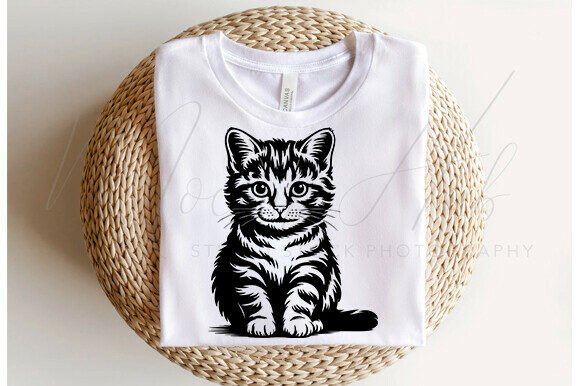
The visual personality of the Cat Portraits SVG leans toward a clean, modern aesthetic. It avoids the overly complex shading that often plagues low-quality graphics, which is a relief. In embroidery, less is often more. Complex gradients do not translate well to thread unless you are using high-end photo-stitch techniques, which can be stiff and uncomfortable on wearable items. The simplicity here suggests a design that relies on shape and silhouette rather than dense fill areas. This creates a mood that is playful yet sophisticated, making it suitable for a wide range of demographics, from children’s items to chic home decor.
Real-World Application: From Screen to Stitch
To truly evaluate a design, you have to imagine it on a product. I visualized this cat portrait on a few different canvases. First, consider a tote bag design. Canvas bags are popular among Etsy sellers and small shop owners because they are durable and provide a large, flat surface for stitching. The clean lines of this graphic would stand out beautifully against natural cotton canvas. Using a contrasting thread colors palette—perhaps a deep charcoal on cream fabric—would highlight the contours of the cat without requiring excessive stitch count.
Another strong candidate is sweatshirt embroidery. Here, the texture of the fabric matters. Fleece and French terry have a pile that can swallow small details. Because the Cat Portraits SVG appears to have distinct, bold shapes, it should hold up well on these textured fabrics. However, I would recommend using a cut-away stabilizer to prevent the design from puckering, especially if the sweatshirt is stretchy. For a personalized gift, such as a baby onesie, the design’s simplicity is again an asset. Babies move, and their clothes are washed frequently. A design with lower stitch density and fewer tiny satin stitches will remain softer and more durable over time compared to a dense, blocky alternative.
Versatility in Commercial Embroidery
For those running a craft business, versatility is key to profitability. This design fits neatly into several niches. It works for holiday embroidery if paired with seasonal elements like pumpkins or snowflakes in your layout software. It serves well as a custom apparel accent for cat lovers, a demographic that is notoriously passionate and loyal. Furthermore, because you receive PNG and EPS files, you can easily create printable mockup assets for your online store. Being able to show customers exactly how the design looks on a shirt or mug before they buy increases conversion rates and builds trust.
Technical Considerations and Potential Pitfalls
While the design shows promise, there are areas where caution is required. As an experienced reviewer, I must point out that "ready to use" can mean different things depending on your machine and software. Since the package includes SVG and DXF, these are primarily vector graphics. If you are using an embroidery machine, you need to ensure you have the correct digitized file format (such as PES, DST, or JEF) compatible with your specific brand. The description mentions compatibility with major electronics, but always double-check your machine’s manual.
If you are converting these vectors into stitches yourself or using auto-digitizing features, pay close attention to corner sharpness. Cats have pointy ears and whiskers. In embroidery, sharp points can lead to thread breaks or loose tails if not properly under-stitched. I recommend testing the design on scrap fabric first. Check how the running stitch outlines behave. If the design relies heavily on satin stitch for the eyes or nose, ensure the width does not exceed 7mm, as wider satin stitches are prone to snagging.
Additionally, consider the hoop size. If you plan to stitch this on a cap or a curved surface, a smaller hoop might be necessary. Curved surfaces distort designs. A large, detailed portrait might warp on a baseball cap. For hats, I would suggest resizing the design to fit within a 4x4 inch area and simplifying any internal details that might get lost in the curve.
Enhancing Product Value and Brand Consistency
Using high-quality design assets like the Cat Portraits SVG directly impacts your brand perception. When a customer receives a handmade product with crisp, clean stitching, they perceive higher value. Sloppy edges or misaligned colors signal amateurism. By choosing a design with clear, logical shapes, you reduce the risk of production errors. This consistency helps build customer trust, leading to repeat buyers and positive reviews.
For small shop product lines, consistency in style is crucial. If your brand focuses on minimalist pet portraits, this design fits perfectly. It allows you to maintain a cohesive look across different items, from embroidered patch collections to kitchen towels. The ability to scale vector files like SVG and EPS without losing quality means you can adapt the same core image for a large pillow cover or a tiny keychain fob, maximizing the utility of a single purchase.
Final Verdict and Practical Advice
In conclusion, the Cat Portraits SVG is a solid addition to your library of Graphics and Crafts resources, provided you understand its technical nature. It is best suited for designers who appreciate clean lines and versatile applications. It shines in commercial embroidery scenarios where speed and clarity are prioritized over photorealistic detail.
Before you launch your next campaign, follow these steps:
- Test on Scrap: Always stitch a test piece on the actual fabric you intend to use. Check for puckering and thread breaks.
- Check Contrast: Use black and white mockups to ensure the design is readable without color reliance.
- Verify Licensing: Confirm the license terms for commercial use. Ensure you are allowed to sell finished items made with this design.
- Stabilize Properly: Match your stabilizer to your fabric. Use tear-away for stable wovens and cut-away for knits.
- Inspect Details: Zoom in on the vector files to check for open nodes or overlapping paths that could cause stitching errors.
By treating this digital file with the same rigor you would apply to physical materials, you can create stunning, professional-grade products that resonate with customers. Whether you are making a baby embroidery piece for a friend or stocking your Etsy seller shop with trendy cat gear, this design offers a reliable foundation for creative expression.