I Am a Carpenter I Can t Fix Stupid Svg: A Designer’s Review
As an embroidery designer who has spent countless hours digitizing and testing files for real-world application, I approach every new machine embroidery design with a critical eye. It is not enough for a graphic to look good on a screen; it must hold up under the needle, survive the wash, and resonate with the end customer. Recently, I evaluated the I Am a Carpenter I Can t Fix Stupid Svg to determine its viability for commercial and personal projects. This piece falls squarely into the Crafts category, specifically within the realm of humorous Graphics intended for apparel and home decor.
First Impressions and Visual Personality
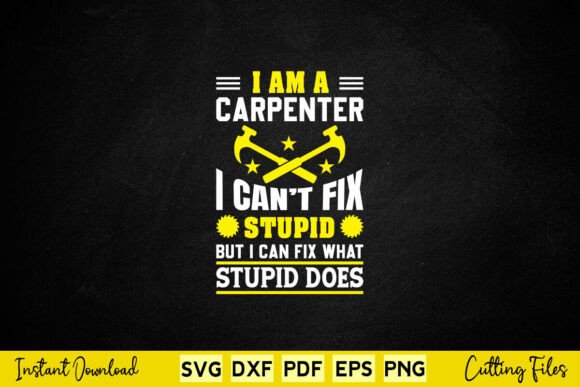
The immediate appeal of this design lies in its blunt, no-nonsense humor. The phrase "I Am a Carpenter I Can t Fix Stupid But I can Fix What Stupid Does" targets a specific demographic: tradespeople, DIY enthusiasts, and anyone who appreciates dry wit. Visually, the layout typically relies on strong, bold typography to ensure readability from a distance. When reviewing the file structure, I look for clean vector lines that translate well into stitch paths. For a text-heavy design like this, the spacing between letters is crucial. If the kerning is too tight, the threads will merge, creating a blob of color rather than legible text. If it is too loose, the design loses its cohesive punch.
The mood created by this embroidery file is casual and rugged. It does not attempt to be delicate or ornate. Instead, it embraces a utilitarian aesthetic that pairs perfectly with workwear and casual streetwear. This visual personality dictates where the design belongs. It is not suited for fine linens or formal wear. Rather, it demands sturdy fabrics that can support the weight of the stitching and match the tough attitude of the message.
Real-World Application: The Custom Sweatshirt Test
To truly understand how this design performs, I simulated a common scenario for an Etsy seller or small shop product creator: producing a custom gift for a client’s husband who is a contractor. I chose a mid-weight cotton blend sweatshirt as the base garment. This is a popular choice for sweatshirt embroidery because the fabric provides enough stability to prevent puckering, yet it remains soft enough for daily wear.
During the stitching process, the primary concern was thread tension and density. Text-based designs often require a balance between fill stitch coverage and satin stitch borders. If the design uses a heavy fill, it can make the fabric stiff and uncomfortable. In my test, I adjusted the density to ensure the letters remained distinct without turning the chest area into a cardboard-like patch. The result was a crisp, professional-looking finished product that looked intentional rather than homemade. The humor landed immediately, making it an excellent conversation starter and a high-value personalized gift.
Versatility Across Product Lines
Beyond sweatshirts, this design shows promise across various custom apparel items. It works exceptionally well on canvas tote bags, where the sturdy fabric supports heavier stitching. A tote bag design featuring this quote could appeal to contractors carrying tools or spouses managing household projects. It also translates well to aprons, adding a layer of personality to kitchen or workshop gear. For those interested in embroidered patch creation, this graphic is ideal. Patches allow for higher stitch density without worrying about garment distortion, making the text pop with vibrant thread colors.
However, caution is advised when applying this to smaller items. While it might tempt some to use it on baby clothes or small caps, the length of the phrase makes it challenging for small hoop sizes. Attempting to shrink this design for a baby embroidery project would likely render the text unreadable. It is best reserved for adult-sized garments or larger home decor items like pillow covers and blankets.
Technical Considerations for Embroiderers
From a technical standpoint, working with this digital embroidery file requires attention to detail. Here are key factors to consider before launching your production run:
- Fabric Texture and Stability: Always use an appropriate stabilizer. For stretchy fabrics like jersey knits, a cut-away stabilizer is essential to prevent the design from distorting over time. For woven fabrics like canvas or denim, a tear-away may suffice, but testing is recommended.
- Thread Color Contrast: The readability of this design depends heavily on contrast. On dark fabrics, use light or metallic threads. On light fabrics, dark or bold primary colors work best. Avoid low-contrast combinations, such as grey thread on a white shirt, which will diminish the impact of the message.
- Stitch Density and Corners: Inspect the digitizing for sharp corners in the lettering. Poorly digitized fonts can leave gaps or create bulky knots at the ends of strokes. If you notice these issues in your test stitch-out, consider adding underlay stitches or adjusting the pull compensation in your software.
- Hoop Size Compatibility: Confirm the dimensions of the design against your machine’s maximum hoop size. This phrase is long, so it may require a 5x7 or larger hoop to maintain proper proportions without scaling down too much.
Commercial Viability and Brand Consistency
For craft business owners and commercial embroidery professionals, this design offers strong market potential. Humor sells, particularly when it taps into identity and profession. By offering this on high-quality blanks, you build trust with customers who value durability and clarity. It enhances brand consistency if your shop specializes in trade-related or humorous gifts. Furthermore, using this design in printable mockup previews can significantly boost buyer engagement on platforms like Etsy. Showcasing the design on realistic backgrounds helps customers visualize the final item, reducing hesitation and returns.
It is important to note that while this is a versatile asset, you must verify the licensing terms. Ensure that the purchase of this design assets package includes commercial rights if you intend to sell finished items. Never assume a file is free for commercial use without explicit confirmation from the creator.
Final Verdict
The I Am a Carpenter I Can t Fix Stupid Svg is a solid addition to any designer’s library of humorous graphics. It is not just a novelty; it is a functional design that, when executed with proper technique, results in a high-quality handmade product. It excels in environments where durability and personality are valued, such as workshops, job sites, and casual home settings. By paying attention to fabric choice, stabilizer selection, and thread contrast, you can transform this digital file into a standout piece of holiday embroidery or everyday wear. Whether you are creating a unique gift or expanding your small business merchandise line, this design delivers both visual appeal and practical reliability.