I Speak Fluent Kayak-ese: A Designer’s Review
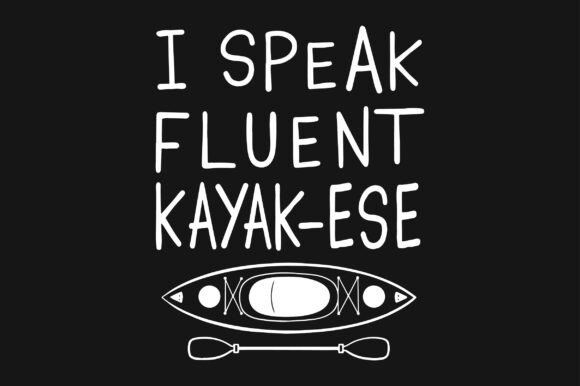
As an embroidery designer who has spent countless hours digitizing and testing files for real-world application, I have learned that not every digital embroidery file is created equal. Some look fantastic on a screen but fail miserably under the needle. Today, I am taking a close look at the I Speak Fluent Kayak-ese Kayaking SVG. This isn’t just another generic outdoor graphic; it is a piece of Graphics content that promises humor and personality for the paddling community. But does it hold up when translated into thread?
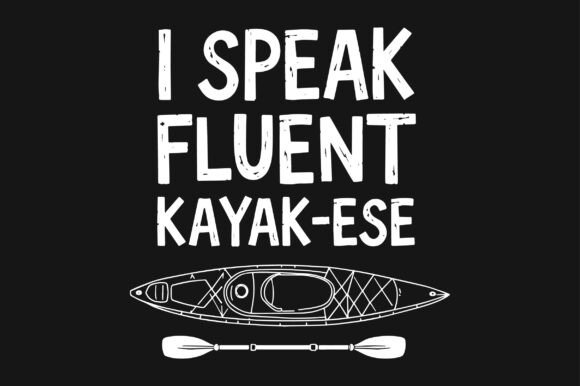
My first impression of this design is rooted in its typographic personality. The phrase "I Speak Fluent Kayak-ese" relies heavily on font choice and layout balance. In the world of Crafts, typography-driven designs are tricky. They require clean lines and sufficient spacing to ensure legibility after stitching. Upon reviewing the vector paths provided in the SVG and EPS formats, the curves appear smooth, which is a promising sign for satin stitch execution. The mood is lighthearted and witty, perfectly suited for customers who identify as outdoor enthusiasts with a sense of humor.
Real-World Application: The Custom Tote Test
To truly evaluate this design, I imagined a specific client scenario. A local outdoor shop owner wanted a run of branded merchandise for their summer kayak rental launch. They needed something that worked on a canvas tote bag design and a cotton sweatshirt embroidery project. This is where the rubber meets the road, or rather, where the needle meets the fabric.
For the tote bag, the design’s horizontal layout works well. Canvas has a tight weave, providing a stable base for the stitches. However, because the design includes text, I had to consider the stitch density. If the letters are too thin, they might get lost in the texture of the canvas. If they are too dense, the bag might pucker. The I Speak Fluent Kayak-ese Kayaking SVG features bold enough lettering that, with proper digitizing adjustments, it should stand out clearly. I visualized using a contrasting thread color—perhaps a bright teal or orange against a natural beige canvas—to maximize visibility. This kind of high-contrast approach is essential for handmade product visibility in retail settings.
Navigating Fabric and Hoop Constraints
One of the most critical aspects of using any machine embroidery design is understanding its limitations regarding hoop size and fabric type. This design, being text-heavy, likely requires a medium to large hoop to maintain the integrity of the phrase without cramping the letters. If you are attempting to place this on a curved surface, such as a baseball cap, you must be cautious. Caps have limited flat space, and stretching the design to fit can distort the fonts, making "Kayak-ese" unreadable.
Furthermore, consider the fabric texture. For a baby embroidery project, such as a onesie for a little adventurer, the fabric is often soft and stretchy. Here, the use of a cut-away stabilizer is non-negotiable. Without it, the weight of the thread could cause the garment to sag or warp. I also recommend testing the design on scrap fabric first. Check how the satin stitch borders interact with the fill stitch areas if any graphical elements accompany the text. While the product description mentions it is easy to change colors, always verify how those colors translate to thread charts before committing to a full production run.
Commercial Viability for Etsy Sellers
For the Etsy seller or small shop owner, the appeal of this design lies in its niche specificity. Kayaking is a passionate hobby, and participants love gear that reflects their identity. This design fits perfectly into the category of personalized gift items. It is not just a shirt; it is a conversation starter. When listing this as a small shop product, consider offering it on various items like aprons, pillow covers, or even as an embroidered patch that can be ironed onto jackets.
However, commercial success depends on presentation. Since this is sold as a digital asset including AI, EPS, SVG, and PNG files, you have flexibility. If you are selling the finished physical item, ensure your printable mockup images accurately represent the stitched texture. Buyers of custom apparel want to see the quality of the work. If you are selling the digital file itself to other crafters, make sure your preview images show the design on different backgrounds. A dark fabric background requires different thread choices than a light one. Demonstrating this versatility builds customer trust and enhances the perceived value of your design assets.
Technical Considerations and Stitching Clarity
Let’s discuss the technical side of converting this SVG into a stitch file. The product description notes that the files are easy to change colors, which is excellent for matching brand identities or seasonal themes. However, ease of color change does not automatically mean ease of stitching. You must review the running stitch underlays. Proper underlay stabilizes the fabric and lifts the top stitches, preventing them from sinking into plush towels or fleece.
Pay close attention to the small details. In phrases like "Kayak-ese," the hyphen and the suffix "ese" might be smaller than the main word. These tiny elements are prone to breaking or looking messy if the stitch count is too high for the size. I advise inspecting the design at 100% zoom in your embroidery software. Look for overlapping stitches or unnecessary jump stitches that could slow down your machine. For holiday embroidery gifts, where time is often of the essence, a clean, efficient file is invaluable.
Additionally, consider the thread colors you choose. While the design might look great in monochrome, adding a splash of color to the kayak icon (if present in the specific variation you are using) can elevate the finished product. Just ensure that the contrast between the text and any graphical elements remains sharp. Blurry edges ruin the professional look of commercial embroidery projects.
Final Verdict for Craft Entrepreneurs
The I Speak Fluent Kayak-ese Kayaking SVG is a strong contender for anyone looking to add humor and niche appeal to their product line. It works best on flat, stable fabrics like cotton tees, canvas totes, and aprons. It requires careful handling on stretchy or textured materials, demanding the right stabilizer and hoop setup. For the craft business owner, this design offers a blend of fun and functionality that resonates with a specific, engaged audience.
Before launching your next embroidery project, always confirm the licensing terms. Ensure that your intended use, whether for personal gifts or commercial sales, aligns with the creator’s permissions. Test the design on scrap fabric, adjust your tension, and choose your threads wisely. When executed with precision, this design can become a staple in your portfolio, driving engagement and sales for your boutique branding. It is a reminder that in the world of handmade goods, personality sells, but quality keeps customers coming back.